Pressure sores start where body weight, friction and moisture meet, usually at the base of the spine, hips, heels and elbows. The right pad depends on where the person spends their day and which areas are at risk. Down-Under Wool has supplied medical wool to caregivers since 1988; here is how to choose.
Bed sore pads by type
How to choose a bed sore pad
- Where is the person most of the day? In bed, choose a bed pad or overlay; in a wheelchair or recliner, a seat pad; on a hospital bed, a fleece made to fit it.
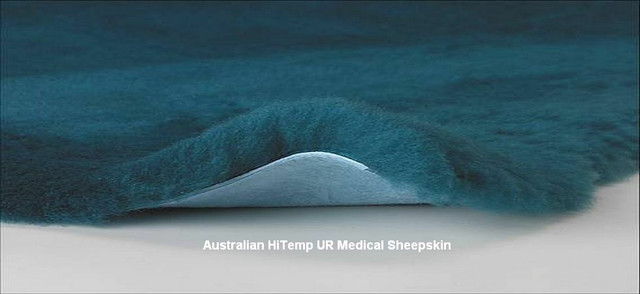
- Is there incontinence? Choose a urine-resistant (UR) or easy-wash wool pad. Not every lambskin is suitable; each product page says so.
- Which areas are at risk? Add heel or elbow protection; a bed pad alone doesn't protect the heels.
- How often will it be washed? The XD1900 and wool fleece pads are the easiest to launder; AS4480.1 medical sheepskins such as the M102 are warranted for at least 50 washes in Woolskin.
Not sure? Compare prevention products side by side, or read our guides to the best mattress topper for bed sores and heel protectors for bed sores.
Frequently asked questions
What are the best pads for bed sores?
For people at low to moderate risk, Australian medical sheepskin has been tested in randomized trials: in a 2010 pooled analysis of 1,281 patients, sacral pressure sores developed in 5.4% of sheepskin users compared with 12.2% without. People at high risk, or with an existing sore, may need a powered air mattress chosen with a nurse.
Are medicated pads better for bed sores?
Medicated pads and dressings are wound treatments and should be chosen by a nurse or doctor. Our pads contain no medication: they are for prevention and comfort, and work alongside regular repositioning and skin checks.
Can the pads be washed?
Yes. Every product here is machine washable. Use Woolskin, which cleans, disinfects and conditions the wool, and avoid over-drying.
Free shipping on orders over $180 to the USA & Canada. Questions? Contact us and we'll help you choose.