
Pressure sores are caused by steady pressure on the skin, usually over a bone, that reduces the blood supply to the skin and the tissue underneath until it is damaged. Shear, friction and moisture add to that damage, and it can happen faster than many people expect: research suggests deep tissue under a bony point can start to break down between the first hour and 4 to 6 hours of unrelieved pressure. An AS4480.1 medical sheepskin is made to reduce pressure, moisture and shear. Down-Under Wool has helped families protect skin from pressure since 1988. This guide explains each cause of pressure sores (also called pressure ulcers, pressure injuries or bed sores), who is most at risk and why, and where to find the full prevention plan.
What causes pressure sores?
Pressure sores are caused mainly by pressure, with shear, friction and moisture making the skin easier to damage. Mayo Clinic names sustained pressure, friction and shear as the three causes, and lists incontinence among the risk factors because skin becomes more vulnerable with long exposure to urine and stool. The Braden Scale that nurses use to assess risk also scores moisture, and friction and shear, alongside mobility.
| Cause | What happens to the skin | Typical situation | What reduces it |
|---|---|---|---|
| Pressure | skin and tissue squeezed between bone and a surface lose blood flow | lying or sitting in one position too long | regular position changes; a pressure-reducing surface |
| Shear | the body slides one way while the skin stays put, stretching the tissue underneath | sliding down the bed when the head is raised | keep the head of the bed at 30° or lower |
| Friction | skin rubs against sheets or clothing | being dragged up the bed; wrinkled sheets | lift or use a draw sheet; smooth, dry bedding |
| Moisture | wet skin softens and breaks down more easily | urine, stool or sweat left on the skin | clean and dry the skin right away; absorbent bedding |
The "what reduces it" column follows MedlinePlus advice for preventing pressure ulcers.
How does pressure cause a sore?
Pressure causes a sore by pressing the skin and soft tissue between a bone and the bed or chair, which reduces the blood flow that brings oxygen and nutrients to them. The NHS describes pressure ulcers as damage to the skin and the tissue underneath, usually on bony parts of the body such as the heels, elbows, hips and tailbone.
Time matters as much as force. A review of human, animal and laboratory studies concluded that pressure ulcers in the tissue under bony prominences very likely occur between the first hour and 4 to 6 hours of sustained loading. Because the damage can begin under the surface, a sore may look small at first. That is why turning schedules exist: MedlinePlus advises changing position every 1 to 2 hours in bed and shifting weight every 15 to 20 minutes in a wheelchair.
What are shear and friction?
Shear is when two surfaces move in opposite directions, and friction is the skin rubbing against bedding or clothing, according to Mayo Clinic. Shear happens inside the body: when the head of the bed is raised and the person slides down, the tailbone moves down while the skin over it may stay in place, pulling in the opposite direction. Friction happens at the surface, for example when someone is dragged up the bed.
Both can be reduced with simple handling. MedlinePlus advises not raising the head of the bed more than 30 degrees, lifting the person or using a draw sheet rather than dragging them, and keeping sheets and clothes dry, smooth and free of wrinkles.
Can moisture cause pressure sores?
Moisture on its own causes a different kind of skin damage, but it makes pressure sores more likely. Skin that is wet for long periods from urine, stool or sweat can develop moisture-associated skin damage, such as incontinence-associated dermatitis, which an international consensus panel describes as clinically distinct from a pressure ulcer. Wet skin also breaks down more easily under pressure: a meta-analysis of 58 studies found pressure ulcers were about twice as likely with urinary incontinence (odds ratio 1.92) and about five times as likely with both urinary and fecal incontinence (4.99).
More on this in our guide to incontinence and bed sores, and in our range of washable, urine-resistant incontinence bedding, such as the 30 x 60 inch Hospital Wool Fleece Bed Pad.
Who is at risk of pressure sores?
Anyone can get a pressure sore, but the risk is highest for people who can't move easily. The NHS also lists having had a pressure ulcer before, being underweight, and having poor circulation or fragile skin. Risk factors are often grouped as extrinsic (outside the body) and intrinsic (the person's own health):
- Extrinsic: pressure, shear, friction, moisture, and medical devices pressing on the skin, such as breathing equipment and tubes. In intensive care, a meta-analysis of 28 studies (117,624 patients) found nearly 20% developed a pressure injury from a medical device.
- Intrinsic: immobility from illness, spinal cord injury or another cause; reduced feeling, so discomfort doesn't prompt a change of position; poor nutrition or being underweight; conditions that affect blood flow; incontinence; and older age. These are listed by Mayo Clinic, the NHS or the Braden Scale below.
Nurses often measure risk with the Braden Scale, which scores six areas: sensory perception, skin moisture, activity, mobility, friction and shear, and nutrition. In the original studies, a score of 16 or less marked a person as at risk. If you care for someone at home, ask their nurse or doctor for a risk assessment.
How quickly can a pressure sore develop?
A pressure sore can start to develop within hours. The evidence review above puts the onset of deep damage under bony areas between the first hour and 4 to 6 hours of unrelieved pressure, and the authors note that more research is needed to narrow that range. The NHS lists the early signs to look for: a discolored patch that does not change color when pressed (red on white skin, purple or blue on black or brown skin), a patch that feels warm, spongy or hard, and pain or itching.
Where do pressure sores form?
Pressure sores form over the bony points that take the body's weight: the tailbone, hips, heels, ankles, shoulder blades, elbows and the back of the head. Across 35 studies of surgical patients, a 2025 systematic review found the sacral area and the heels were the most common sites. Which points are at risk changes with position; our guide to care of pressure points has a table for lying on the back, lying on the side and sitting.
How do you prevent pressure sores?
You prevent pressure sores by removing or reducing each cause: change position often, check the skin every day, lie or sit on a pressure-reducing surface, handle the person without dragging, and keep the skin clean, dry and well nourished. The full plan, including the stages of a pressure sore, is on our bedsore prevention page. If a sore has already formed, ask a nurse or doctor how to care for it.
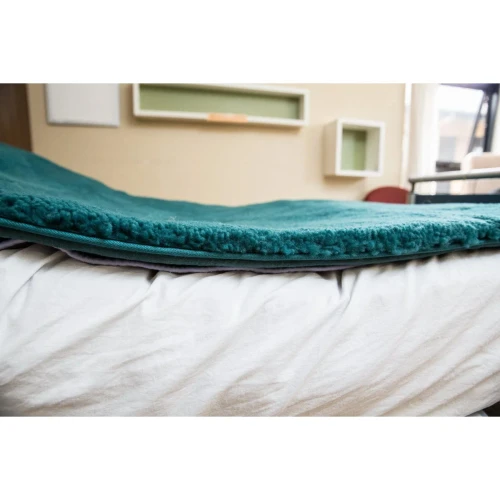
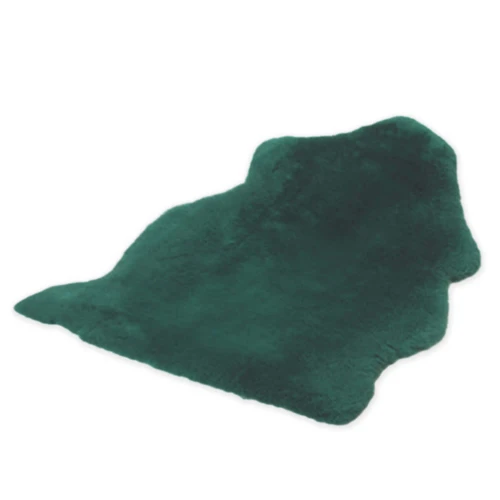
Medical sheepskin is made to work on several causes at once: the dense wool pile is there to reduce pressure, skin moisture and shear. A Cochrane review pooled three trials and found Australian standard medical sheepskins reduce pressure ulcers; in the largest, 441 hospital patients, 9.6% on a sheepskin developed one against 16.6% with usual care.

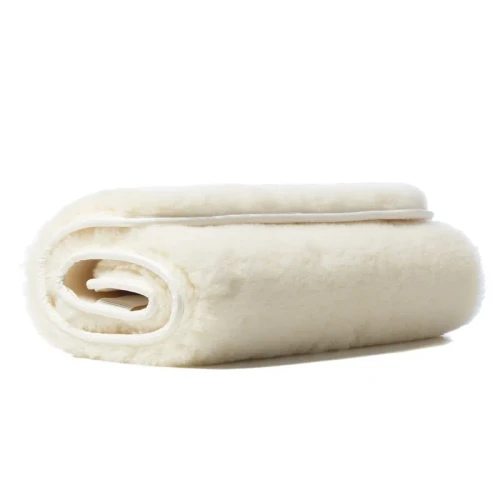
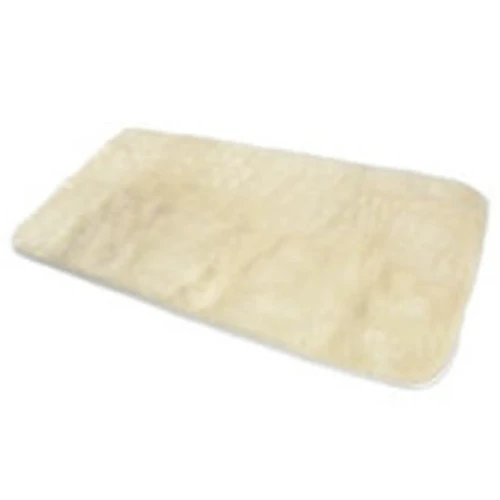
We supply the Australian Medical Sheepskin overlay (M102) in its natural shape and the rectangular Australian Medical Sheepskin (M102C), both made to the AS4480.1 standard, HiTemp washable and urine resistant, and warranted for at least 50 washes in Woolskin. For whole-body cover, the 30 x 60 inch Superior Overlay XD is machine washable and urine resistant. Heels need their own protection; see our boots and booties for pressure sores. Use any of these with the skin directly on the wool, and keep turning on schedule; placement tips are in how to use sheepskin for bed sores. Learn more about medical sheepskin, or browse all bed sore prevention products.
Causes of pressure sores FAQs
What are the four main causes of pressure ulcers?
The four main causes are pressure, shear, friction and moisture. Pressure is the main one; the other three make the skin easier to damage.
Can pressure sores be caused by moisture alone?
No. Moisture alone causes moisture-associated skin damage, such as incontinence-associated dermatitis, which is a different condition. But wet skin breaks down more easily under pressure, so moisture raises the risk of a pressure sore.
Can pressure ulcers be caused by shear?
Yes. Shear stretches the tissue under the skin when the body slides while the skin stays still, most often over the tailbone when someone slips down a raised bed. Keeping the head of the bed at 30 degrees or less reduces it.
What are extrinsic and intrinsic factors for pressure ulcers?
Extrinsic factors act from outside the body: pressure, shear, friction, moisture and medical devices. Intrinsic factors belong to the person: immobility, reduced feeling, poor nutrition, poor circulation, incontinence, fragile skin and older age.
What causes pressure sores on the heels?
Heels take the weight of the legs when someone lies on their back, and the heel bone sits close under the skin with little padding. A pillow under the calves so the heels lift clear, or a sheepskin heel pad, takes the pressure off. Our guide to heel protectors for bed sores compares the options.
What causes pressure sores in the elderly?
The same four causes, with more risk factors at once: older people are more likely to have trouble moving, fragile skin, poor circulation, incontinence or a low body weight, all of which the NHS or Mayo Clinic list as risk factors.
Who is most at risk of pressure sores?
People who can't change position on their own, such as those confined to bed or a wheelchair, are most at risk. See our guide to the complications of being bedridden.
The short version
Pressure sores are caused by pressure that cuts the blood supply to skin over a bone, made worse by shear, friction and moisture, and they can start within hours. People who can't move, can't feel discomfort, are poorly nourished or incontinent are most at risk. Relieve the pressure often, handle the skin gently, keep it dry and use a pressure-reducing surface. For the full prevention plan, read our bed sores guide, or contact us; we've helped caregivers since 1988.