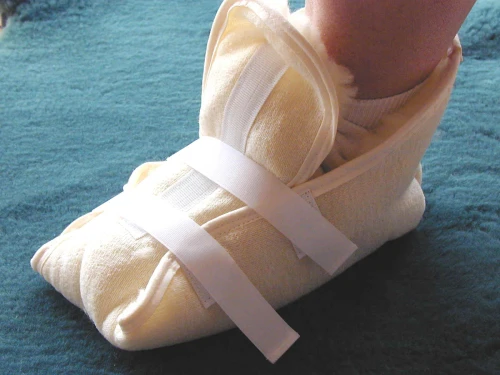

A hospital bag for an elderly parent is a small, labeled kit with their paperwork, the aids they need to see, hear and eat, safe clothes and shoes, and a few comforts from home. Pack it before you need it: the National Institute on Aging (NIA) suggests keeping one packed with their medicine list, insurance cards, doctors' contacts and advance directives. Down-Under Wool has supplied medical sheepskin to caregivers since 1988, and the checklist below has 19 items you can print and tick off. For a long stay, a pair of Merino Lambswool Wrap Booties can keep cold feet warm in bed, once the ward says yes.
What should you pack for an elderly parent's hospital stay?
Pack documents and a medication list, glasses, hearing aids and dentures in labeled cases, a phone and charger, comfortable clothes, non-slip footwear, toiletries and one or two familiar comforts.
| Packed | Item | Tip |
|---|---|---|
| Documents | ||
| ☐ | Photo ID and insurance cards | Copies, front and back |
| ☐ | Medication list with doses and allergies | Include vitamins and nonprescription medicines |
| ☐ | Advance directives, health care power of attorney | Copies for the record |
| ☐ | Phone numbers: doctors, family, emergency contact | On paper, not only in a phone |
| ☐ | Personal information sheet | Routine, likes, how they show pain |
| Daily aids | ||
| ☐ | Glasses, plus a spare pair | Labeled hard case |
| ☐ | Hearing aids, batteries or charger | Labeled case |
| ☐ | Dentures | Labeled denture case |
| ☐ | Cane, walker or other equipment they use at home | Name and phone number on it |
| ☐ | Cell phone and charger | A long cable reaches the bed |
| Clothes and toiletries | ||
| ☐ | Sleepwear, 2 to 3 sets | Loose and easy to put on |
| ☐ | Underwear for several days | Often not supplied |
| ☐ | Robe, cardigan or sweatpants | Rooms can be cold |
| ☐ | Close-fitting non-slip slippers or shoes | For every walk to the bathroom |
| ☐ | Toothbrush, toothpaste, denture cleaner, comb, lotion | Travel sizes |
| Comfort and orientation | ||
| ☐ | Family photos, music, a book or puzzle | Familiar things help with dementia |
| ☐ | Large-print list of family names and numbers | Copy it onto the room whiteboard |
| ☐ | A little cash | A few dollars for a drink or snack |
| ☐ | Soft wool for cold feet or heels (ask the ward) | Labeled, washable at home |
Which documents and medication information should you bring?
Bring a current list of medicines and allergies, ID and insurance details, contacts for their doctors and family, and copies of any advance directives. The Alzheimer's Association lists these for an emergency kit, including a living will, power of attorney and any do not resuscitate (DNR) order. Cleveland Clinic asks new patients to bring their medication list and advance directives.
As for the medicines themselves, the NHS tells inpatients to bring any medication they are using, and the emergency go-bag in AARP's caregiver guide includes several days' worth, but the hospital decides whether they can be used. Hand them to the nurse rather than giving doses yourself.
How should you label glasses, hearing aids, dentures and other belongings?
Put your parent's name and your phone number on every case, charger and walking aid, and tell the nurse which aids they use. An emergency nurse quoted by AARP advises keeping dentures, hearing aids and phones on the bedside table, not on a food tray where they may be thrown out, and warns that a phone left in the bedsheets can end up in the wash. Hospitals may not accept responsibility for lost items; Cleveland Clinic, for one, says so in its admissions guide.
- Cases: glasses, hearing aid and denture cases, each with a name label.
- Walking aid: the NHS says to keep it nearby, labeled with the person's name and contact details.
- Clothes and wool items: iron-on or stick-on name labels.
- Whiteboard: AARP suggests writing family contacts and needs, such as "wears glasses to read," on the room whiteboard.
What clothes and footwear should an elderly person take?
Pack loose, easy-on sleepwear, several days of underwear, a warm layer and close-fitting non-slip slippers or well-fitting shoes. The emergency nurse quoted by AARP says hospitals don't provide underwear or a laundry service and that rooms can get very cold, and suggests a robe or sweatpants under the gown for patients who walk around. Plan who takes laundry home.
The NHS lists close-fitting, non-slip slippers as a fall-prevention measure. Grip socks are not always the answer: in a small 2009 study, bare feet gripped hospital vinyl better than non-slip socks did, and the authors suggest patients walk in well-fitting shoes.
What does the hospital usually provide?
Hospitals usually provide the bed and mattress, gowns, meals and the medicines doctors prescribe during the stay; personal items are mostly up to you. The NHS adds an identity bracelet, compression stockings for people at higher risk of blood clots, and help moving around the ward. In the UK, NICE guideline CG179 says adults admitted to hospital should get a high-specification foam mattress to reduce pressure ulcer risk. Supplies vary, so ask the ward what it provides and what it doesn't allow.
What should you bring for a parent with dementia?
Bring the same basics plus a personal information sheet and a few familiar, comforting things, and tell every new staff member about the dementia. The NIA suggests the sheet cover their routine, how they like to be addressed, likes and dislikes, and nonverbal signs of pain, with copies in the room and at the nurses' station. It also suggests comforting pictures or spiritual objects, and the Alzheimer's Association says familiar items from home make the room feel more secure.
- Glasses and hearing aids, worn daily. MedlinePlus notes that some people with delirium benefit from hearing aids and glasses, and that lights, clocks and calendars help with orientation.
- A clock and a calendar they can read from the bed, plus music or old photos for quiet moments (NIA).
- Spare clothes out of sight. The NIA notes that seeing personal clothes may remind the person of getting dressed and going home.
Explain their usual behavior to staff. It helps them tell dementia apart from delirium, a state of sudden, extreme confusion; tell the doctor at once if your parent seems suddenly worse.
Which comfort items protect skin during a long stay?
Soft wool for the feet, heels and head can add comfort, but ask the nurse first: wards have rules about personal items and already supply pressure-relieving mattresses. The NHS says pressure ulcers usually form on bony areas such as the heels, elbows, hips and tailbone and can sometimes appear within a few hours. NICE asks staff to discuss a heel-offloading plan with high-risk patients and their families, so ask what the plan is. See the warning signs of bed sores.
If the ward agrees, these pack small and wash at home:
- For cold feet in bed: the wrap booties' side flaps close around the foot with Velcro, so there is nothing to pull on. One size, sold in pairs, machine wash and dry; for bed, not walking.
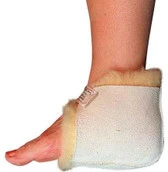
- For heels: the Medical Sheepskin Heel Pad forms a cup of soft Merino wool for the heel, closed with a Velcro strap; one size fits either foot. It does not replace the ward's heel plan; compare heel protectors for bed sores.
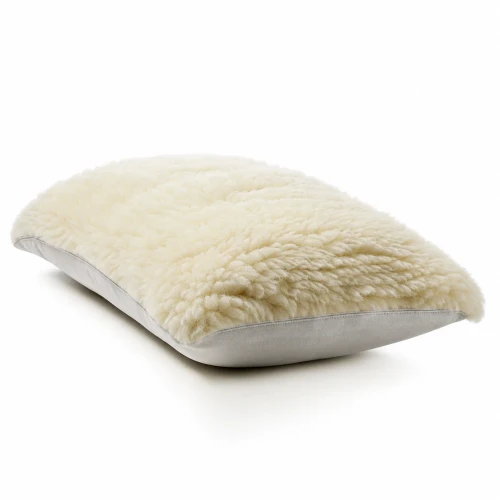
- For the head: the Wool Pillow Cover (18" x 28") slips over a queen pillow; check it fits the hospital pillow.
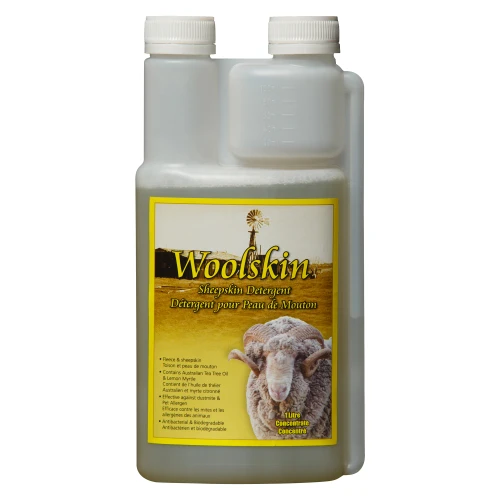
- For washing: wash wool items at home in Woolskin; see how to wash sheepskin.

Label every piece; wool left on a hospital bed can vanish into the laundry like a phone.
What should you leave at home?
Leave jewelry, credit cards, large amounts of cash and costly electronics at home. Cleveland Clinic suggests no more than $5 in the room, and to have a loved one take jewelry home after an unexpected admission. If valuables came in with your parent, AARP's nurse suggests taking them home or asking staff to record and lock them up.
Hospital bag for elderly FAQs
What do you take an elderly person in the hospital?
Take something useful and familiar, such as photos, a large-print puzzle book or warm bed socks, and check with the ward before bringing food or flowers. Our list of gifts for bedridden elderly has more ideas.
What should you bring to the ER for an elderly parent?
Bring the go-bag basics: medicine list, insurance cards, doctors' contacts and advance directives. The NIA suggests bringing a friend or relative and telling staff about any dementia.
Can you wear your own pajamas in the hospital?
Usually yes; Cleveland Clinic lists sleepwear as something to bring. Staff may ask for a hospital gown for some tests or procedures.
Do hospitals provide toothbrushes?
Don't count on it. Cleveland Clinic asks patients to bring a toothbrush, toothpaste, face wash and lotion, and sells extras in its gift shops.
What should you pack for a long hospital stay?
Pack extra underwear, a laundry plan, a warm layer and things to do. Before discharge, read our guide to home care after hospital.
Is the hospital responsible for lost dentures?
Often not; policies vary, and Cleveland Clinic states it is not responsible for items lost or stolen during a stay. Use a labeled denture case and tell the nurse your parent wears dentures.
The short version
Keep a labeled go-bag ready: documents, medication list, aids in named cases, clothes, non-slip footwear and a few comforts. Ask the ward before packing skin-care extras; at home our guide on how to prevent bed sores at home takes over. Questions? Contact us.