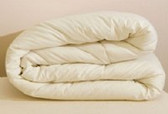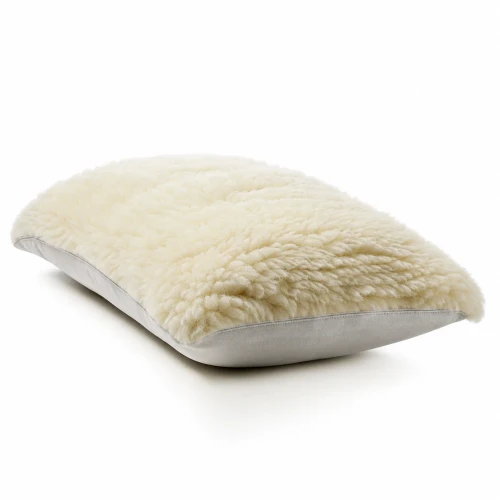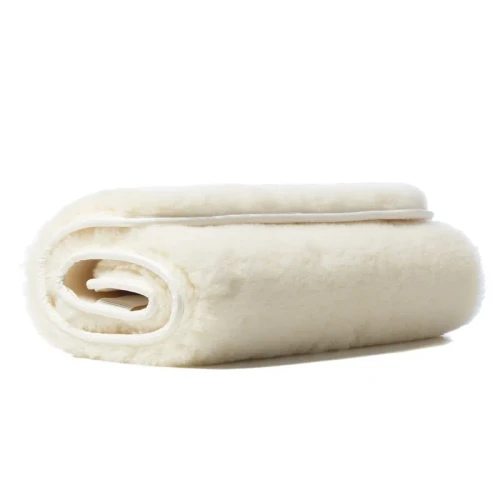
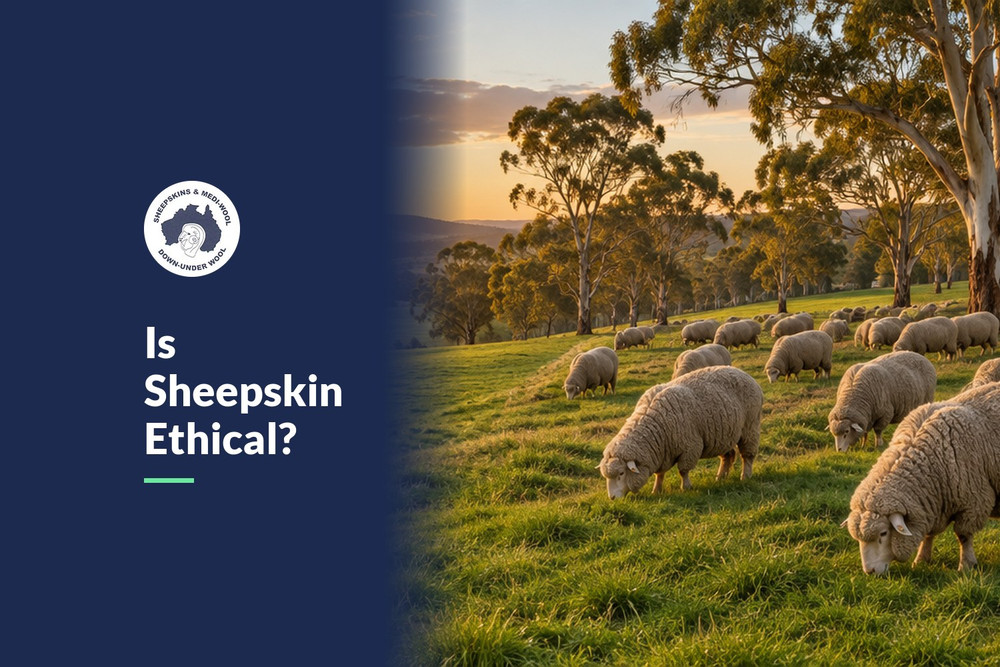
Whether sheepskin is ethical depends on two things: your view of raising animals for meat, and how the sheep were treated while they were alive. Sheepskin comes from sheep slaughtered for meat, so no sheep is killed for its skin alone, but the animal does die; sheepskin can't be taken from a living sheep the way wool can. The UN Food and Agriculture Organization describes hides and skins as secondary products of the meat industry, and wool sheep are shorn at least once a year because their fleece never stops growing. Down-Under Wool has imported Australian medical sheepskins and wool products since 1988, and this article sets out the facts as plainly as we can.
Is sheepskin ethical?
Sheepskin is ethical to some people and not to others, and both views are reasonable. Three questions decide it for most people:
- Was the animal killed for its skin? No. Sheepskins come from sheep raised mainly for meat.
- How was the animal treated during its life? This depends on the farm and the country: shearing practices, mulesing and handling all matter.
- How was the skin processed? Tanning has an environmental cost, which we cover in is sheepskin sustainable?
If you don't use any animal products, sheepskin isn't for you; it isn't vegan. If you eat meat or accept that sheep are farmed for it, sheepskin uses part of an animal that is already being slaughtered.
Is sheepskin a by-product of the meat industry?
Yes. The FAO calls hides and skins "secondary products of the meat industry" and notes that their output depends on how many animals are slaughtered, responding to the meat market rather than to the price of, or demand for, leather. In practice, sheep are farmed for meat and wool, and the skin is what remains once the animal has been slaughtered.
The skin is then tanned with the wool left on, which is what turns it into sheepskin. For how that works and the different types, see what sheepskin is and the types of sheepskin.
Are sheep killed for sheepskin?
Sheep are not killed for their sheepskin alone, but every sheepskin does come from a dead sheep. A sheepskin is the whole hide with the wool attached, so it can only come from an animal that has been slaughtered, normally for meat. That is the honest answer to "does sheepskin hurt the sheep?": the sheep is not alive when its skin is taken.
Wool is different. It is shorn from living sheep, which grow it back. If you want the comfort of wool without a hide, a wool pile pad such as our Pressure Smart XD1900 range or the Hospital Wool Fleece is made from shorn Merino wool knitted into a backing, not from a skin.
Does shearing hurt sheep?
Shearing doesn't hurt sheep when it is done well, and wool sheep need it for their welfare. RSPCA Australia explains that the fleece of wool breeds grows continuously and has to be removed regularly, usually at least once a year in spring.
The RSPCA also names the welfare risks: being mustered, yarded and handled is stressful, and sheep can be cut if they struggle, have loose skin folds, or the shearer is rushed. It recommends low-stress handling, accredited shearers, proper treatment of wounds with pain relief where needed, and no tolerance of mistreatment in the shearing shed.
What is mulesing, and why does it matter?
Mulesing is the practice of cutting crescent-shaped flaps of skin from around a lamb's breech and tail to prevent flystrike, in which blowfly maggots feed on a living sheep. According to RSPCA Australia, the scarred skin has no folds to hold moisture and feces, so it attracts fewer blowflies, but the procedure causes pain during and after, and pain relief is not always used. The RSPCA's view is that breeding sheep that are naturally resistant to flystrike is an effective and humane alternative.
If mulesing matters to you, ask the seller whether their wool or sheepskin comes from sheep that were not mulesed.
Where do our sheepskins come from?
Our medical sheepskins come from Australia. The Australian Medical Sheepskin (M102C) is made from Australian sheep, selected so carefully that only about 1 in 20 has the wool needed, and every genuine skin made to the Australian standard AS4480.1 carries a stamp on its leather backing. Our Hospital Wool Fleece products are made in Australia from pure new Merino wool, and the Pressure Smart XD1900 range is made from wool shorn from living sheep.
Long life is part of responsible use. Our medical sheepskins are warranted for at least 50 washes in Woolskin, and HiTemp UR sheepskins have withstood more than 200 hot wash-and-dry cycles, so one skin can serve for years, and in hospitals one can be disinfected and used for patient after patient. Read more about medical sheepskin and why it is used for pressure care.
How to buy sheepskin more ethically
- Ask where it comes from. Country of origin tells you which animal welfare rules apply.
- Ask about mulesing for wool and sheepskin products.
- Buy for the long term. A washable, well-made sheepskin used for years makes better use of the animal than a cheap one replaced often.
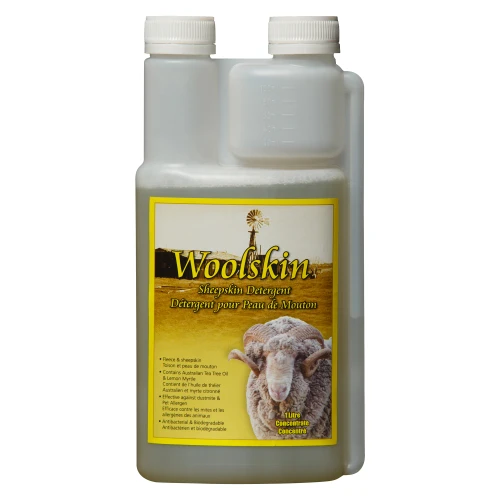
- Look after it. Wash it in a sheepskin wash such as Woolskin and dry it slowly; our guide on how to wash sheepskin has the steps.
- Consider wool pile instead of a hide if you'd rather no animal died for the product.
- Weigh faux sheepskin honestly. It avoids animal products but is made from plastic fibers; see is sheepskin eco-friendly? for the trade-offs.
Sheepskin ethics FAQs
Is sheepskin vegan?
No. Sheepskin is an animal hide, so it isn't vegan, and wool isn't either.
Is shearling cruel?
Shearling is a type of sheepskin from a recently shorn sheep or a young lamb, so the same points apply: it comes from an animal slaughtered mainly for meat, and how the animal was raised is the main welfare question.
Are sheepskin rugs ethical?
A sheepskin rug raises the same questions as any sheepskin: it comes from a sheep slaughtered for meat, and its ethics depend on how the animal was raised. Ask the seller where the skin came from.
Is lambskin ethical?
Lambskin is sheepskin from a young sheep, a secondary product of lamb meat production. The ethical questions are the same as for sheepskin.
Do sheep die for wool?
No. Wool is shorn from living sheep, usually once a year, and grows back. Wool sheep need shearing because their fleece grows continuously. Read more about what wool is and the difference between sheepskin vs wool.
Is sheepskin cruelty-free?
Not in the strict sense, because an animal died. Sheepskin is a secondary product of meat production rather than the reason the sheep was killed, and whether the animal was treated well depends on the farm.
The short version
Sheepskin comes from sheep slaughtered for meat; the FAO calls hides and skins secondary products of the meat industry. No sheep is killed for its skin alone, but the animal does die, so sheepskin isn't vegan. The biggest welfare questions are how the sheep were raised, especially shearing and mulesing, so ask where a sheepskin comes from and buy one that will last. For the environmental side, read are sheepskins sustainable and eco-friendly?, or contact us with any questions about our products.