
A wheelchair safety checklist is a short set of checks that keeps a wheelchair working and its user upright: test the wheel locks and footrests before each use, check tire pressure and the cushion every week, look over the wheels, casters, anti-tip devices and frame every month, and have the whole chair serviced once a year. It matters: according to the Spinal Cord Injury Model Systems, up to 18% of wheelchair users have a wheelchair-related injury each year, and poor maintenance raises the risk of breakdowns and injury. Down-Under Wool has supplied wheelchair users with wool seat and arm pads since 1988, and this checklist draws on NHS and Model Systems guidance for manual wheelchairs.
Why does wheelchair safety matter?
Wheelchair safety matters because a breakdown or a tip can injure the user and leave them stranded. The Model Systems Knowledge Translation Center (MSKTC) guide to maintaining a manual or power wheelchair cites a 2016 study in which 44 to 57% of users reported at least one breakdown in the past 6 months, and 20 to 30% of those missed work or appointments, were stranded, or were injured as a result. Regular maintenance reduces breakdowns and the cost of repairs. If you need help, ask a caregiver, friend or family member to go through the list with you.
Manual wheelchair safety checklist
This checklist follows the MSKTC maintenance schedule for manual wheelchairs, with the before-use checks from NHS wheelchair safety guidance (Frimley Health NHS Foundation Trust). Make sure all nuts and bolts are tight, but not too tight.
| When | Check | What to look for | OK? |
|---|---|---|---|
| Before each use | Wheel locks (brakes) | Both lock firmly before anyone gets in or out | ☐ |
| Before each use | Footrests and armrests | Swing away and latch back easily; heel loops in place | ☐ |
| Before each use | Clothing, blankets, bags | Nothing hanging near the wheels or spokes | ☐ |
| Before each use | Safety belt (if fitted) | Snug across the pelvis, not the stomach | ☐ |
| Weekly | Tire pressure (air tires) | Press the tire with your thumb: if it gives more than 5 mm (about three stacked pennies), pump it to the pressure printed on the tire | ☐ |
| Weekly | Cushion and cover | No tears, holes or broken zipper; air cushion inflated, gel not hard or leaking, foam springs back | ☐ |
| Monthly | Rear tires and wheels | No worn tread, cracks, bulges or flat spots; spokes not loose or bent; wheels track straight | ☐ |
| Monthly | Bearings and axles | Lifted wheel spins freely to a stop; no knocking or squealing; quick-release axles click and latch | ☐ |
| Monthly | Wheel locks | Tight on the frame, hold the tires firmly, don't rub while rolling | ☐ |
| Monthly | Hand rims | Firm and smooth, no cracks | ☐ |
| Monthly | Casters | No wear or cracks; no flutter (shimmy); hair and lint cleared from the bearings | ☐ |
| Monthly | Anti-tip devices | Pins work, rollers not broken | ☐ |
| Monthly | Frame and cross-brace | No cracks at welds or bends; chair folds and opens easily | ☐ |
| Monthly | Upholstery and supports | Seat and back not torn or stretched; no sharp edges; folding parts cleaned and lubricated | ☐ |
| Once a year | Full service | By a wheelchair maintenance expert: your vendor, the manufacturer, a therapist or a seating clinic | ☐ |
Don't try to fix or replace a part you aren't comfortable with; take the chair to a maintenance expert. When you get out of the wheelchair to work on it, sit on a stable, protected surface.
How do you get in and out of a wheelchair safely?
Get in and out of a wheelchair with the brakes on and the footrests out of the way. The NHS guidance sets out these steps:
- Getting in: push the wheelchair against a wall or a solid piece of furniture, put the brakes on and swing the footrests aside, then transfer into the seat. Once seated, put the footplates down and rest your feet on them in front of the heel loops.
- Getting out: put the brakes on and push the footplates up. With one hand on each armrest, lean forward slightly to bring your weight to the front of the seat, put both feet firmly on the ground with one foot well back, and push up to standing.
Never stand on the footplates: the wheelchair will tip up.
What are the safety rules for using a manual wheelchair?
The main safety rules for a manual wheelchair are to keep weight off the back, keep clothing clear of the wheels and avoid anything that could pull the chair over backward. From the NHS guidance:
- Don't hang heavy loads on the back. Bags on the push handles can tip the chair over backward.
- Don't pull back on doors or other objects while sitting in the chair; if they give way, the chair can tip.
- Keep clothes, rugs and covers clear of the wheels.
- Stay on hard, level ground where you can. Wheels sink into soft ground, and most pavements slope toward the curb, so the chair may pull toward the road.
- Wear a properly fitted safety belt, if your chair has one.
If your chair has anti-tip devices, check them every month; MSKTC notes they help prevent tipping but do not prevent every tipping incident, so they are no reason to take risks. Near traffic or after dark, a flag and lights make you easier to see.
How should a wheelchair safety belt fit?
A wheelchair safety belt should sit low and snug over the pelvis, not across the soft lower stomach. According to the NHS guidance, the user should sit at or near 90 degrees, with the belt fixed near the corner of the seat at about 45 degrees to the seat base. If the user's hips slide forward, the belt rides up and will not stop them slipping further down; ask the wheelchair service to adjust the seating.
Wheelchair safety tips for caregivers
Caregivers pushing a wheelchair should brake before every transfer, tell the user before any change of speed or direction, and watch the ground ahead. The NHS guidance for people pushing a wheelchair:
- Do put the brakes on and swing the footrests out of the way before the user gets in or out.
- Do tell the user before you change position, tip the chair or alter speed.
- Do avoid uneven ground, and stop where the user can see and talk to people.
- Do lift the wheelchair by its frame.
- Don't rush the user during transfers, walk too fast, jolt the chair or rock it like a pram.
- Don't lift the wheelchair by the armrests or footrests.
How often should a wheelchair be serviced?
A wheelchair should have a full service by a wheelchair maintenance expert once a year, with your own weekly and monthly checks in between. MSKTC suggests your vendor or manufacturer, an occupational or physical therapist, or a wheelchair seating clinic. Also have the suspension checked after a significant weight change, and get help straight away for loose quick-release axles, a cracked frame or a heel loop that is worn or broken.
For a power wheelchair, turn the power off and unplug the charger before any check. MSKTC adds daily power-chair checks (battery charge, joystick and controls, brakes, motor noise) to the same weekly tire and monthly caster and anti-tip checks, and says batteries should be charged nightly with the chair's own charger and maintained by a wheelchair maintenance expert.
Why the cushion is part of wheelchair safety
The cushion is part of wheelchair safety because a worn or damaged cushion raises the risk of pressure sores (bed sores), according to MSKTC, and cushions wear out long before the frame. Check it weekly, clean it monthly, and keep a backup to use while the main one is being washed. MSKTC advises washing a fabric cushion cover in the machine but not the dryer, since it may shrink.
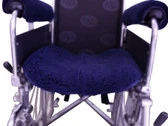
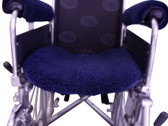
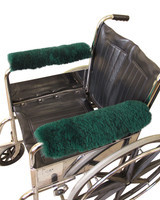
A wool pad on top of the cushion adds comfort and absorbs sweat. The XD1900 Cushion-It straps onto the seat or back and is machine washable, the Hospital Wool Fleece seat cover covers seat and back in one piece, and sheepskin wheelchair arm pads or XD1900 armrest supports soften hard armrests. The wheelchair pressure sore prevention package combines two Cushion-Its, a pair of XD1900 armrest supports and Woolskin for washing them.

For weight shifts and skin checks, see how to prevent pressure sores in a wheelchair. Seat options are compared in sheepskin wheelchair seat covers and cushions, and other add-ons in wheelchair accessories for comfort, safety and convenience.
Wheelchair safety FAQs
How often should a manual wheelchair be serviced?
Once a year by a wheelchair maintenance expert, plus your own weekly tire and cushion checks and monthly checks of the wheels, casters, wheel locks and frame.
How often should a wheelchair be cleaned?
Wipe the frame, supports and upholstery with a clean, damp cloth and soap once a month, MSKTC advises. Cleaning helps stop metal parts rusting and dirt wearing moving parts. Clean the cushion and its cover monthly too.
How do you check wheelchair tire pressure?
Press down firmly on the tire with your thumb. If it gives more than 5 mm, about the thickness of three stacked pennies, pump it up to the pressure printed on the tire. Low tires make the chair harder to push and strain the shoulders.
What is caster flutter?
Caster flutter is a rapid shimmy or vibration of the small front wheels. It makes the chair less stable and can steer it in the wrong direction, so have the casters checked and repaired by a maintenance expert if it happens.
Can you hang bags on the back of a wheelchair?
It's best not to. The NHS guidance warns that heavy loads on the back of a wheelchair can tip it over backward.
Do anti-tip bars stop a wheelchair tipping over?
They help, but not always. MSKTC notes that anti-tip devices do not prevent all tipping incidents, so check them monthly and still avoid pulling on doors, loading the back and standing on the footplates.
What should you check before using a wheelchair?
Check that both wheel locks hold, the footrests and armrests swing away and latch back, nothing is hanging near the wheels, and the safety belt fits snugly over the pelvis.
The short version
Before each use, check the brakes, footrests and belt; each week, check tire pressure and the cushion; each month, check wheels, casters, wheel locks, anti-tippers and frame; once a year, book a full service. Keep weight off the back, don't pull on doors, and never stand on the footplates. For comfort on long days in the chair, see our wool wheelchair products and medical sheepskin range, or contact us; we've helped wheelchair users since 1988.