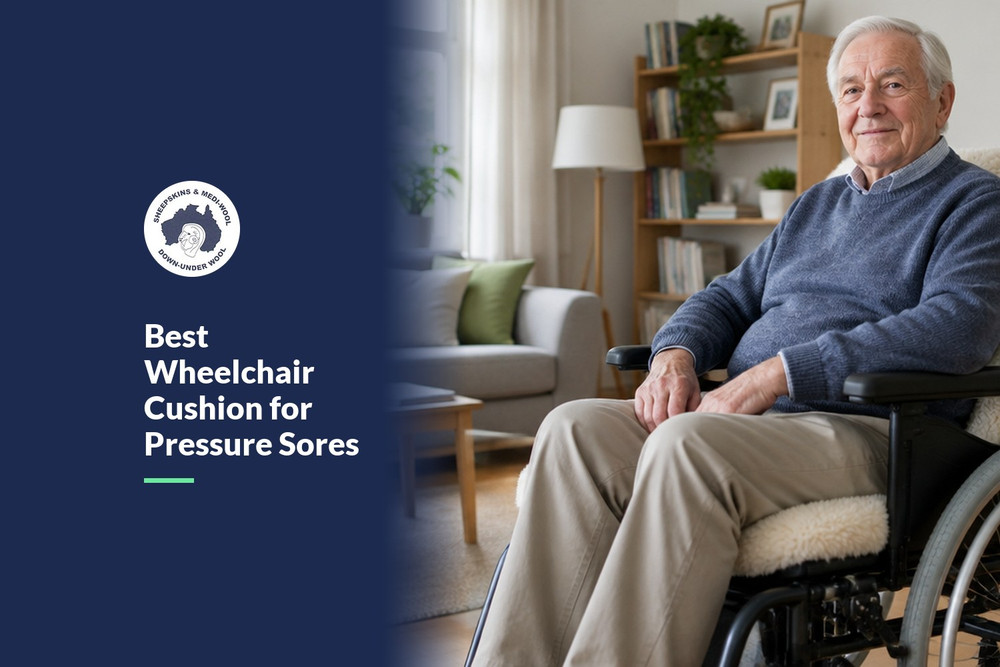

The wheelchair accessories that do most for comfort are the ones that pad the places where the body meets the chair: a cushion with a soft wool layer on the seat and back, pads on the armrests, and warm footwear for the footplates. For safety, the essentials are a well-fitted belt, working anti-tip devices and lights; for convenience, storage that doesn't hang heavy on the back of the chair. The World Health Organization estimates that 80 million people, about 1% of the world's population, need a wheelchair. Down-Under Wool has made wheelchairs more comfortable with wool and sheepskin since 1988, and this guide covers what helps, what to avoid, and how to care for it.
Which wheelchair accessories improve comfort?
A well-fitted cushion, a wool or sheepskin pad over the seat and back, armrest pads and soft footwear improve comfort the most, because sitting presses the same few areas against the chair all day. Mayo Clinic lists the tailbone and buttocks, the shoulder blades and spine, and the backs of the arms and legs as the areas where wheelchair users most often get pressure sores, so those are the places to pad.
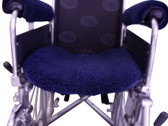
- Seat and back: MedlinePlus recommends a foam or gel cushion that fits the wheelchair, and notes that natural sheepskin pads also help reduce pressure on the skin. Wool absorbs sweat, so you sit drier than on a vinyl or synthetic cover.
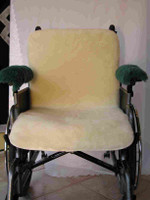
- Armrests: a sheepskin or wool armrest pad cushions the forearms and hands and absorbs skin moisture.
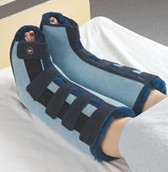
- Feet: a soft sheepskin boot keeps feet warm and padded during long hours in the chair.

Wheelchair comfort accessories compared
These are the wheelchair accessories we keep in stock, all made from Merino wool or Australian medical sheepskin:
| Accessory | What it does | Size | Care |
|---|---|---|---|
| XD1900 Cushion-It (M105XD) | Dense wool pad for the seat or back, on its own or on top of a pressure care cushion; straps hold it in place | 18" x 22" | Machine wash; dryer on low; not harmed by urine |
| Hospital Wool Fleece Seat Pad (F103A) | Wool cover for the seat of most wheelchairs | 18" x 20" | Machine wash and dry, low heat |
| Hospital Wool Fleece Seat Cover (F103B) | Covers the seat and back in one piece, held by an elastic strap | 18" x 36" | Machine wash and dry, low heat |
| XD1900 Armrest Supports (SC125XD) | Thick wool armrest pads with 3 straps; also used on commode frames | 13.5" x 5", pair | Machine wash, wool cycle; dryer on low |
| HiTemp Medical Sheepskin Arm Pads (M125G) | Green medical sheepskin over the armrests | 14" long, pair | Wash like a wool sweater; air dry |
| LowTemp Medical Sheepskin Arm Pads (M125) | Beige or champagne sheepskin armrest pads | 14" x 3", pair | Hand wash; air dry |
| Shear Comfort Tall Slipper Boot (SC204) | Sheepskin boot with an open toe and five straps, worn in the wheelchair, chair or bed | 15" high, pair | Hand wash; air dry |
| Wheelchair package (M120XD) | Two Cushion-Its, a pair of armrest supports and Woolskin | Seat, back and arms | Machine wash in Woolskin |
You can compare these side by side on our compare wheelchair products page, and our guide to sheepskin wheelchair seat covers, cushions and chair pads goes deeper on the seat.

How do you make a wheelchair seat more comfortable?
Make a wheelchair seat more comfortable by starting with a cushion that fits, adding a soft, breathable layer on top, and moving often. In practice:
- Check the fit first. MedlinePlus advises having your provider or physical therapist check your wheelchair's fit once or twice a year, and sooner if you gain weight or feel pressure anywhere. A cushion can't fix a chair that is the wrong size.
- Add wool on top of the cushion. A Cushion-It or wool seat cover absorbs sweat (wool takes up about a third of its weight in moisture without feeling wet), so you sit dry rather than sticky.
- Shift your weight every 15 to 20 minutes by leaning forward, left and right, as MedlinePlus recommends. No accessory replaces moving.
- Avoid doughnut cushions. Mayo Clinic and MedlinePlus both warn that they focus pressure on the tissue around the hole.
Our guide to preventing pressure sores in a wheelchair explains weight shifts step by step.
Which wheelchair accessories improve safety?
A properly fitted safety belt, working anti-tip devices and lights for visibility are the safety accessories most worth having. What the guidance says about each:
- Safety belt: NHS wheelchair guidance says the belt should sit snug over the pelvis, fixed near the corner of the seat at about 45 degrees, not across the soft lower stomach.
- Anti-tip devices: the Spinal Cord Injury Model Systems wheelchair maintenance guide advises checking them every month, and notes they do not prevent every tipping incident.
- Lights and a flag: they make you easier to see near traffic and after dark.
Ask your wheelchair service or therapist before adding positioning or safety equipment; the WHO stresses personalized assessment and fitting for every wheelchair user. For the full list of checks, see our wheelchair safety checklist.
Which accessories make a wheelchair more convenient?
Storage that keeps essentials within reach, a cup holder or tray, and covers for any other mobility aids you switch to make daily life easier. Two cautions from the NHS guidance: heavy loads on the back of a wheelchair can tip it over backward, so keep bags light or fit them where they don't hang off the push handles, and keep blankets, bags and straps clear of the wheels.
If you also use crutches or a walker, matching sheepskin covers make the switch more comfortable:
- Sheepskin crutch covers for the armpit and hand rests (4 pieces, machine washable).
- Walker handle covers, sold in pairs, which keep sweaty hands dry.
- A walker seat cover (15" x 12") for a soft place to rest.
The Cushion-It also works in the car: it can be moved between chairs or to a car seat when it isn't strapped down.
How do you care for wool wheelchair accessories?
Wash wool and sheepskin wheelchair accessories in a sheepskin wash on a gentle cycle, or by hand, and dry them slowly away from direct heat. We recommend Woolskin, developed by the Australian tanning industry to clean, condition and disinfect sheepskin; ordinary household detergents can permanently damage sheepskin leather. Knitted XD1900 and Hospital Wool Fleece pads can go in the dryer on low heat; sheepskin arm pads and boots should be air dried. Take items out of the dryer while slightly damp, since wool does best with about 15% moisture left in it. Full steps are in how to clean and wash sheepskin.

Wheelchair accessories FAQs
What are must-have wheelchair accessories?
A cushion that fits, a properly fitted safety belt and working anti-tip devices are the essentials. After that, a wool seat pad, armrest pads and light storage that doesn't hang on the back make the biggest everyday difference.
How do you make sitting in a wheelchair more comfortable?
Have the chair's fit checked, use a cushion with a wool layer on top, pad the armrests, and shift your weight every 15 to 20 minutes. Breathable wool keeps skin drier than vinyl or synthetic covers.
What are wheelchair arm pads for?
Wheelchair arm pads cushion the forearms and hands on hard armrests and absorb skin moisture. Ours strap on with hook-and-loop fasteners and come in medical sheepskin or XD1900 wool, sold in pairs.
Is sheepskin good for a wheelchair?
Yes. MedlinePlus notes that natural sheepskin pads help reduce pressure on the skin, and wool absorbs moisture, which keeps the user comfortable on long days. Use it on top of a cushion that fits, not instead of one.
Can you use a wheelchair cushion in the car?
A wool pad such as the Cushion-It can be used on a car seat as well as a wheelchair; leave it unstrapped so it moves easily between them.
Do wheelchair accessories need washing?
Yes. Spot clean spills with a damp cloth and wash wool pads when they start to smell, in a sheepskin wash such as Woolskin. MSKTC also suggests keeping a backup cushion to use while the main one is being cleaned.
The short version
Start with a cushion that fits and add a wool layer to the seat and back, pads on the armrests and soft footwear; check that the safety belt fits and the anti-tippers work; keep heavy bags off the push handles. Wash wool accessories in Woolskin and keep a spare. See our bed sore prevention products and medical sheepskin range, or contact us for help choosing; we've been doing it since 1988.