Urinary incontinence is the accidental leaking of urine. It can mean a few drops when you cough or laugh, a sudden urge you can't hold back, or a bladder that never quite empties and keeps dribbling. It is very common: the US National Institute of Diabetes and Digestive and Kidney Diseases (NIDDK) estimates that about half of all women experience it, and that as many as 1 in 3 men over 65 may lose urine by accident. Down-Under Wool, a family business, has supplied urine-resistant wool bedding to families and caregivers since 1988. This guide explains what urinary incontinence is, the five main types, what causes it, how to lower your risk, and when to see a doctor.
What is urinary incontinence?
Urinary incontinence (UI) is when you are not able to keep urine from leaking out of your urethra, the tube that carries urine out of the bladder. That is how MedlinePlus, the US National Library of Medicine's health site, defines it. The NHS describes it simply as the unintentional passing of urine.
Urinary incontinence is not a disease in itself. NIDDK calls it a condition that may be linked to another health problem or to a life event such as childbirth, which is why a doctor will look for the reason behind the leaks.
How common is urinary incontinence?
Urinary incontinence is very common: the NHS says it is thought to affect millions of people.
Common does not mean normal. NIDDK is clear that urinary incontinence "is not a routine part" of being a woman or of getting older. Aging does weaken the muscles of the urinary tract, so the risk rises with age, but leaks at any age are worth raising with a doctor.
What are the types of urinary incontinence?
The five main types of urinary incontinence are stress, urge, overflow, functional and mixed incontinence. Each has a different cause, which is why the type matters when a doctor plans treatment:
| Type | What happens | Typical causes |
|---|---|---|
| Stress | Urine leaks when coughing, sneezing, laughing, lifting or exercising puts pressure on the bladder | Weak or damaged pelvic floor muscles, for example after vaginal childbirth; pregnancy; obesity |
| Urge (urgency) | A strong, sudden need to urinate, with leaking before you reach the toilet | An overactive bladder muscle; sometimes infection, constipation, alcohol or caffeine, or nerve conditions |
| Overflow | The bladder doesn't empty all the way, so it overfills and leaks or dribbles | A blockage such as an enlarged prostate, bladder stones or constipation; nerve damage; some medicines |
| Functional | The bladder works, but a physical or mental problem stops the person reaching the toilet in time | Limited mobility or a physical disability, obstacles on the way, dementia or other problems with thinking |
| Mixed | More than one type at once, usually stress and urge | A combination of the causes above |
Sources: NIDDK, NHS causes of urinary incontinence, MedlinePlus.
Stress incontinence
Stress incontinence is leaking when coughing, sneezing, laughing or exercise puts pressure on the bladder; it has nothing to do with emotional stress. The NHS names damage during a vaginal birth and extra pressure on the tummy from pregnancy or obesity as common causes.
Urge incontinence
Urge incontinence is leaking that follows a strong, sudden need to urinate, and NIDDK notes it is often called overactive bladder. The bladder muscle contracts too often, sometimes for no clear reason.
Overflow incontinence
Overflow incontinence happens when the bladder doesn't empty completely, so it overfills and leaks. The NHS says it is often caused by a blockage, such as an enlarged prostate.
Functional incontinence
Functional incontinence is leaking because a disability, an obstacle or a problem with thinking keeps a person from reaching the toilet in time. The National Institute on Aging notes it occurs in many older people whose bladder control is normal but who can't move quickly, for example because of arthritis.
Mixed incontinence
Mixed incontinence means having more than one type at once, usually stress and urge incontinence together.
Doctors also describe temporary incontinence, from a short-term problem such as an infection, a bad cough or a new medicine, and the rarer total incontinence, where the bladder can't store urine at all.
What causes urinary incontinence?
Urinary incontinence is caused by anything that weakens the muscles that hold urine in, makes the bladder overactive, blocks the outflow, or disrupts the nerve signals between brain and bladder. Some causes are temporary; others last longer.
Temporary causes listed by MedlinePlus and NIDDK include:
- a urinary tract infection or a prostate infection
- severe constipation, which presses on the bladder
- some medicines; the NHS names diuretics (water pills), ACE inhibitors, some antidepressants, hormone replacement therapy and sedatives
- alcohol and drinks with caffeine
- pregnancy, bed rest and sudden confusion
Longer-term causes include:
- Pelvic floor changes in women: pregnancy, childbirth, pelvic organ prolapse and menopause can weaken the pelvic floor muscles (NIDDK).
- Prostate problems in men: an enlarged prostate (BPH) and treatment for prostate cancer.
- Nerve damage: from diabetes, stroke, Parkinson's disease, multiple sclerosis, Alzheimer's disease, vaginal childbirth or prostate surgery.
- Excess weight, which adds pressure on the bladder.
Who is most at risk of urinary incontinence?
The people most at risk of urinary incontinence are women who have been pregnant or given birth, people who are overweight, older adults, and men with prostate problems. The NHS adds a family history of incontinence, and NIDDK lists smoking, physical inactivity and some eating and drinking habits. Older people who need help to walk or who have dementia can also leak simply because getting to the toilet takes too long (functional incontinence); our guide to caring for a bedridden patient at home covers the wider home setup.
How can you prevent urinary incontinence?
You can't always prevent urinary incontinence, but you can lower your risk with the habits NIDDK recommends in its guide to preventing bladder control problems:
- Keep to a healthy weight. Eating well and staying active may prevent incontinence, and losing weight can mean fewer leaks.
- Do pelvic floor (Kegel) exercises. Strong pelvic floor muscles hold urine in better than weak ones. The NHS suggests at least 8 squeezes, 3 times a day, kept up for at least 3 months.
- Drink enough. Aim to drink enough that you need to urinate every few hours, and don't cut back so far that you become dehydrated; a doctor can advise how much is right for you.
- Limit bladder irritants. NIDDK lists alcohol, caffeinated, carbonated and citrus drinks, spicy foods, chocolate and artificial sweeteners.
- Prevent constipation with high-fiber foods such as whole grains, vegetables and fruit.
- Quit smoking. Smoker's cough adds to stress incontinence, and quitting at any age helps bladder health.
- Go when you need to go, rather than holding urine for long periods.
How is urinary incontinence treated?
Urinary incontinence is usually treated first with simple steps: lifestyle changes, pelvic floor muscle training and bladder training. Bladder training, mainly for urge incontinence, usually lasts at least 6 weeks, says the NHS. If these steps don't help, a doctor may suggest medicines or, for stress incontinence, surgery. Pads and washable bedding help you manage leaks, but the NHS points out they are not a treatment.
Before your appointment, NIDDK suggests keeping a bladder diary for 2 to 3 days: what you drink, when you urinate, when you leak and what you were doing at the time.
When should you see a doctor about urinary incontinence?
You should see a doctor about any type of urinary incontinence; the NHS says plainly to see a GP if you have it, and that it is nothing to be embarrassed about. Get care promptly, as NIDDK and MedlinePlus advise, if you:
- can't pass urine at all
- urinate eight or more times a day
- see blood in your urine, or the urine is cloudy
- have pain or burning when urinating, or a fever
- dribble constantly or have trouble starting the flow
Call 911 if someone suddenly loses bladder control together with trouble speaking, sudden weakness or numbness in an arm or leg, loss of vision, confusion or loss of consciousness. MedlinePlus lists these as emergency signs.
Protecting skin and bedding when leaks happen
When leaks happen, the main job is to keep the skin clean and dry and the bed comfortable. Repeated contact with urine can inflame the skin, a condition a 2022 review calls incontinence-associated dermatitis, and in people who spend long hours in bed or a chair wet skin is more prone to pressure ulcers linked to incontinence. Our bed sores guide explains why. NIDDK lists absorbent and washable underwear, disposable pads, large pads for beds and chairs, and special skin cleansers among the products that help.

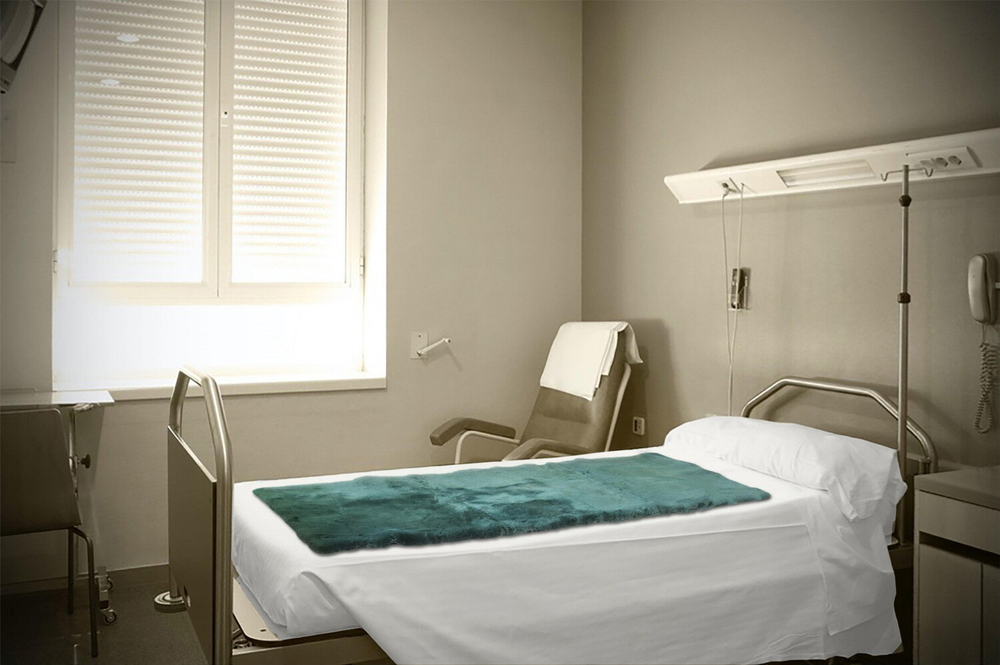
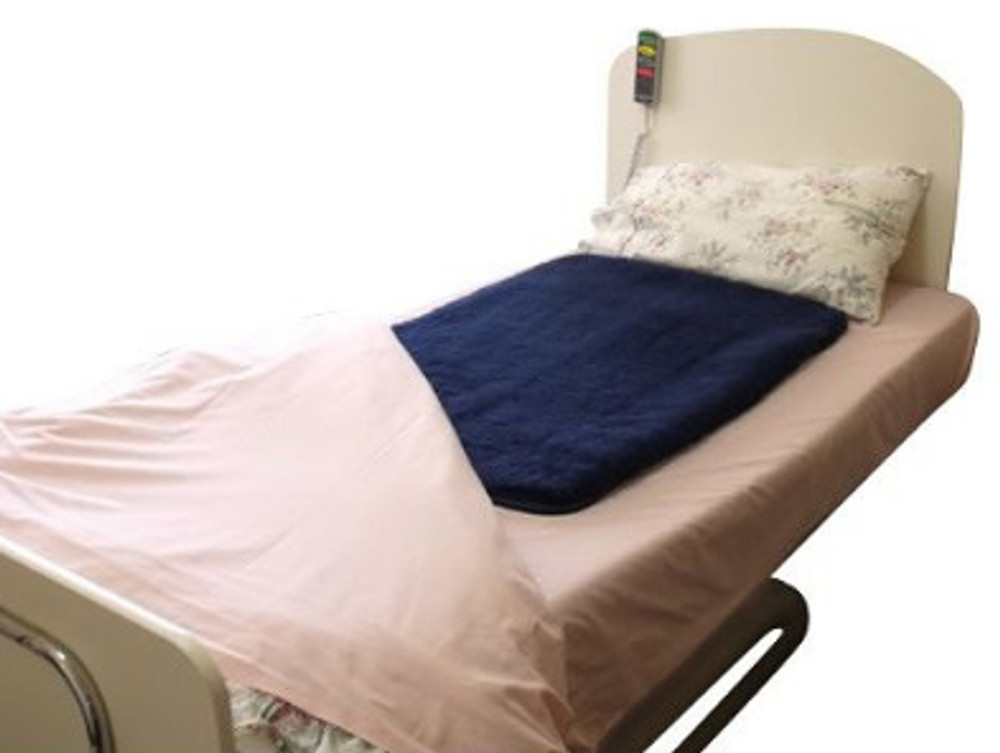
Dense wool pads such as our Pressure Smart XD1900 Overlay reduce moisture on the skin and can be machine washed up to 80°C (176°F) and dried on low heat; for a full-length pad that is urine resistant, there is the Hospital Wool Fleece Bed Pad, and for a wheelchair or armchair the XD1900 Cushion-It, which is not harmed by urine. Ordinary sheepskins can be damaged by urine, so read urine-resistant vs non-urine-resistant products before you buy. See the full range of incontinence bedding, or, if you are looking after someone at home, our guide to incontinence care at home covers the daily routine, skin care and laundry, and how to wash sheepskin and wool pads covers the washing itself.
Urinary incontinence FAQs
Is urinary incontinence a normal part of aging?
No. Urinary incontinence becomes more common with age because the bladder and pelvic floor muscles weaken, but NIDDK states it is not a routine part of getting older. Leaks at any age are worth checking with a doctor.
Is urinary incontinence the same as overactive bladder?
Not quite. Overactive bladder is the name often used for urge incontinence, one type of urinary incontinence. Incontinence is the wider term and also covers stress, overflow, functional and mixed leaks.
Can a UTI cause urinary incontinence?
Yes. A urinary tract infection can cause temporary leaking and is one of the causes of urge incontinence. Pain or burning when you urinate, cloudy or bloody urine, or a fever are reasons to contact a doctor.
Is urinary incontinence permanent?
It doesn't have to be. Temporary incontinence from an infection, constipation or a medicine is short-term by definition and tends to clear once the cause is dealt with, and other types may improve with pelvic floor training, bladder training, medicines or surgery. NIDDK notes that some people still have occasional leaks after treatment.
What doctor treats urinary incontinence?
Start with your family doctor or primary care provider, who may send you to a urologist, a doctor who specializes in urinary tract problems, according to the National Institute on Aging. In the UK, a GP may refer you to a continence service with specialist nurses and physiotherapists.
Can men get urinary incontinence?
Yes. As many as 1 in 3 men over 65 may lose urine by accident, according to NIDDK. In men it can be linked to an enlarged prostate or to prostate cancer treatment.
The short version
Urinary incontinence is the accidental leaking of urine, in five main types: stress, urge, overflow, functional and mixed. A healthy weight, pelvic floor exercises, enough fluids, fewer bladder irritants and no smoking lower the risk, and a doctor can find the type and the cause. If you are caring for someone with incontinence and have questions about washable, urine-resistant bedding, contact us; we have been helping caregivers since 1988.